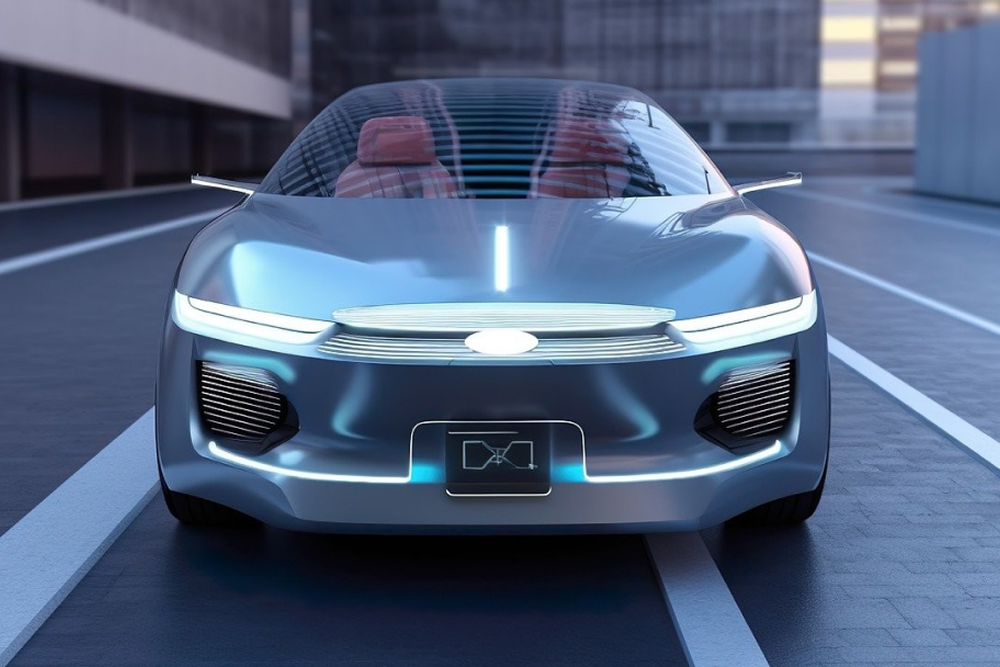
Automotive technology in Canada is developing under the influence of three key factors: climate conditions, government environmental policy, and close integration with the North American auto industry. The country serves both as a manufacturing base and a testing ground for innovations focused on safety, energy efficiency, and digitalization of transportation.
Advertising
One of the priority areas is the development of electric vehicles. Canadian conditions—low temperatures, long distances between cities, and high battery loads—require tailored engineering solutions. Manufacturers and research centers are focusing on improving battery chemistry, thermal management systems, and charging software. As a result, electric vehicles targeted at the Canadian market feature enhanced battery insulation, intelligent heating, and more accurate range calculation algorithms.
Hybrid technologies also remain relevant. In regions where charging infrastructure is unevenly developed, hybrid powertrains are seen as a transitional solution. Canadian automakers are actively implementing modular platforms, allowing them to produce models with different powertrain types on a single production line. This reduces costs and accelerates model lineup innovation.
Driver assistance systems and autonomous driving features deserve special attention. Canadian road conditions—snow, ice, fog, and poor visibility—create a challenging environment for computer vision algorithms and sensor systems. Therefore, much development is focused on combining lidar, radar, and camera sensors, as well as training recognition models in extreme weather conditions. Such solutions improve the reliability of adaptive cruise control, automatic braking, and lane keeping systems.