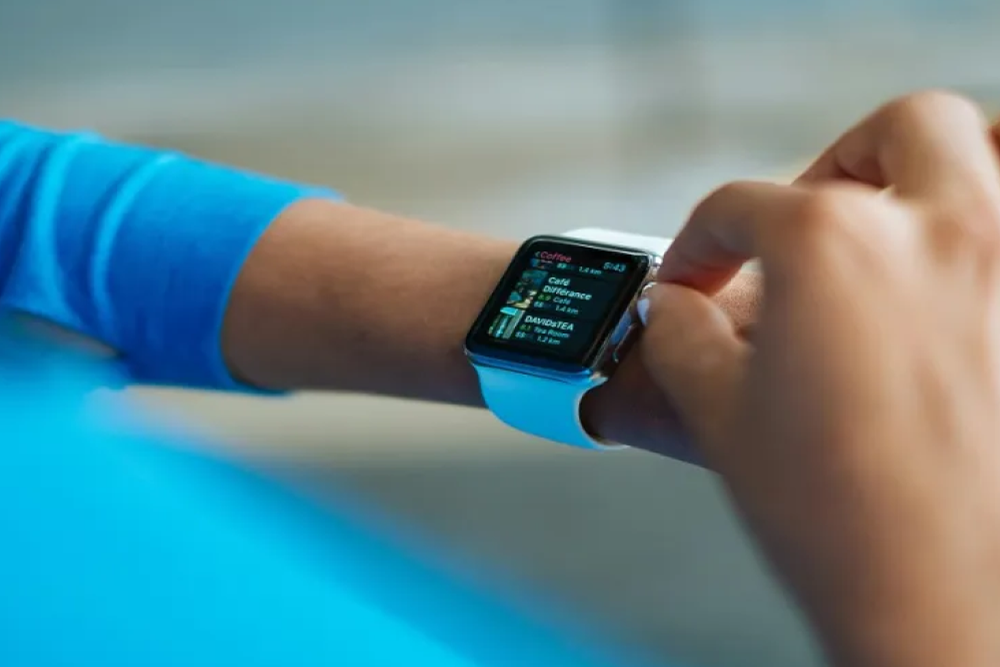
Over the past decade, smartwatches have evolved from simple notification companions into complex wearable computing platforms. In Canada, this evolution has been shaped by a combination of technological innovation, healthcare needs, regulatory frameworks, and consumer behavior. Today, smartwatches play a measurable role in health monitoring, productivity, and digital ecosystems across the country.
Advertising
The first generation of smartwatches focused primarily on basic functions: timekeeping, message notifications, and simple activity tracking. These devices were extensions of smartphones rather than independent tools. Limited battery life, small displays, and underdeveloped software ecosystems constrained their usefulness. In the Canadian market, adoption during this phase remained moderate, largely driven by technology enthusiasts rather than mainstream consumers.
A significant shift occurred with the integration of advanced sensors. Modern smartwatches now include accelerometers, gyroscopes, optical heart rate sensors, blood oxygen (SpO₂) monitoring, ECG capabilities, and skin temperature tracking. These developments transformed smartwatches into personal health devices. In Canada, where access to preventive healthcare and remote monitoring is a growing priority—especially in rural and northern regions—this functionality has particular relevance. Wearables help users track long-term trends rather than isolated measurements, which aligns with preventive healthcare models increasingly discussed in Canadian health policy.
Software development has been equally critical. Smartwatch operating systems have matured, offering optimized user interfaces, third-party applications, and deeper integration with smartphones and cloud services. Canadian developers and startups contribute to this ecosystem, particularly in fitness analytics, telemedicine support, and data visualization. The emphasis has shifted from raw data collection to interpretation: trend detection, anomaly alerts, and personalized recommendations.