One way to contribute to the well-being of the planet’s environment is to create a zero-waste home. Every year, people are becoming more aware of the importance of minimizing household waste and are beginning to use various methods to reduce its amount.
The main concept here is “Zero Waste” – a philosophy of living without waste, which includes the rejection of disposable items and products, as well as their recycling and reuse. The emphasis is on reducing waste at all stages of the life cycle, from the purchase of products to their disposal. The transition to this lifestyle not only helps to reduce the amount of waste, but also reduces your carbon footprint and reduces pollution.
Step 1: Minimize Packaging
The first and most important step in moving towards a zero-waste home is to eliminate single-use packaging. This can include plastic wrap, cardboard boxes, polyethylene bags, and more. When people buy packaged goods, they often don’t think about how much of it can be recycled and how much ends up in landfill, which is damaging to the environment. But every year, manufacturers are starting to pay more attention to packaging recycling and the use of biodegradable materials.
An easy way to reduce packaging is to buy products without packaging or with minimal packaging. In large cities, there are already stores where you can buy products without packaging: from flour and cereals to soap and shampoo. In such stores, customers can use reusable containers for grocery shopping and bring their own bags and packages to avoid using plastic bags.
If such stores are not available, you can use reusable containers, cans, and grocery bags, which will significantly reduce the amount of plastic packaging.
Step 2: Use reusable products
Plastic and disposable items such as dishes, cutlery, cups, and plates are becoming one of the main sources of waste in households. Their use contributes to a large amount of waste that usually ends up in landfills. However, you can easily get rid of this problem by replacing disposable products with reusable ones. Glass and metal containers, bottles, pots, and other household items will last much longer and can be recycled or reused after use.
It is especially important to pay attention to the rejection of single-use plastic bottles and beverage containers. You can use thermoses and reusable water bottles instead. These simple steps will not only help you minimize waste, but also help you reduce your overall plastic consumption.

Daniel McKenzie
Advertising
Advertising
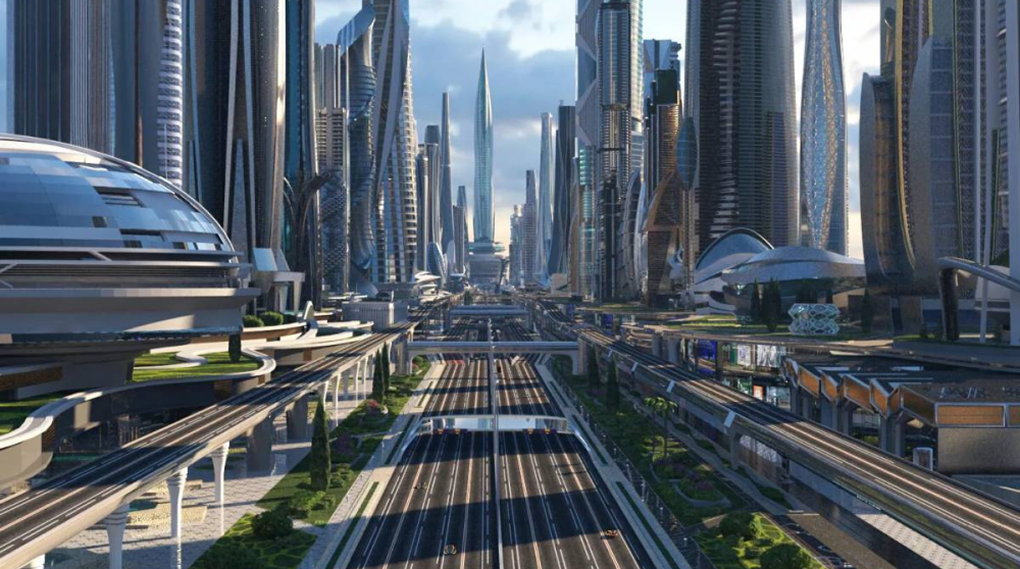
Globalization and urbanization are becoming factors that have a direct impact on the future of cities. Sustainable development is not just a trend, but a necessity aimed at creating cities that can not only meet the needs of the current population, but also provide a comfortable life for future generations. How are megacities moving towards sustainability and what does this mean for the future of urban life?1. Sustainability as a foundation
Sustainable urban development is a concept that encompasses a balance between economic, social, and environmental aspects. The main goal is to create an urban environment where resources are used efficiently, pollution is minimized, and the quality of life is improved for all segments of the population. The most important principle is not only to reduce the negative impact on nature, but also to ensure equal access to services and opportunities for all residents.
More and more cities around the world are beginning to implement sustainable development strategies, focusing on reducing their carbon footprint, efficient use of water and energy, the development of public transport and green spaces, and the use of environmentally friendly materials in construction.
2. Innovation in architecture and construction
New technologies and innovative approaches can significantly change the appearance of cities. One of the most striking examples of sustainable construction is the use of environmentally friendly materials, such as recycled plastic panels, low-carbon concrete and green roofs, which help reduce temperatures in cities and improve the energy efficiency of buildings.
Modern architects are actively implementing the principles of “smart” construction, which includes the installation of solar panels, rainwater harvesting systems and “smart” energy management systems. This allows us to significantly reduce the consumption of natural resources and make buildings more energy efficient.
Green buildings are becoming not only a trend, but also a mandatory norm. For example, some countries have already introduced strict environmental standards that require new residential complexes and office buildings to meet energy efficiency standards and use environmentally friendly materials.
Advertising
With the rapid changes in the world of technology and work, the need to learn new skills and knowledge is more important than ever. Online courses offer a wide range of educational opportunities, but with so many options available, it’s important to know which course best suits your goals and expectations.
The first thing to consider when choosing an online course is its purpose and whether it suits your needs. Before you start your search, it’s important to determine what specific skills you want to develop. Are you choosing a course to improve your skills in your profession or do you want to explore a completely new field? Or maybe you need to develop personal skills, such as time management or stress management. Having a clear understanding of what you want to achieve will help you narrow down your options and avoid information overload.
The next step is to research different learning platforms. There are a number of online platforms that offer courses in a variety of fields, from large educational giants like Coursera, edX, and Udemy to niche resources. It’s important to check the platform’s reputation, student reviews, and the quality of the materials. Some courses may be free, while others may require a fee, but most have trial periods or sample lessons to help you evaluate the course content before purchasing.
The quality of the teaching is another important aspect to consider when choosing a course. Ideally, teachers should be experts in their field, and their experience should be backed up by practical results. Some online courses offer video tutorials with professors from leading universities, which can serve as another sign of quality. However, it’s important to remember that a good teacher is not only a highly qualified person, but also someone who can convey information to students in an accessible way. It’s important to pay attention to the teaching style, availability of materials, and the supportive environment the course provides.
One important factor is the course structure. Courses can vary in duration: from short intensive programs to long study cycles. Therefore, you need to decide in advance how much time you are willing to devote to learning. If you need to quickly master new knowledge, pay attention to courses with clearly structured modules and clear deadlines. If you want to take an in-depth course, choose courses that offer more comprehensive coverage of the topic.
Advertising
It is often accompanied by a feeling of helplessness, loss of interest in professional activities and reduced productivity. It is important to remember that this phenomenon is not just a period of fatigue, but a serious condition that requires attention and intervention. Let’s look at how to recognize and prevent career burnout early.
Causes of career burnout
The main factors that contribute to the development of burnout syndrome are high job demands, overload, lack of support and insufficient recognition of achievements. When a person works under stress for a long time without proper compensation or recognition, this can lead to burnout.
The reasons may also include:
Excessive workload. When the amount of work exceeds a person’s capabilities and there is no opportunity to take a break, chronic fatigue occurs. This can be caused by multiple tasks, tight deadlines, or expectations from colleagues and management.
Lack of support. It is important not only to be able to ask your colleagues and management for help, but also to feel that your efforts are appreciated. When this is not the case, you feel like you are working in isolation.
Inability to combine work and personal life. If work requires constant attention outside of working hours, this leads to burnout, because the person cannot rest and recover.
Lack of career growth or development. If an employee feels that his efforts are not leading to personal or professional progress, motivation gradually disappears and a feeling of apathy appears.
Symptoms of career burnout
Early recognition of burnout syndrome is essential to avoid long-term consequences. The main symptoms that may indicate burnout are:
Emotional fatigue. A constant feeling that you are running out of energy even after a break or a weekend.
Detachment and apathy. Loss of interest in work, a feeling that your efforts are not bringing any results.
Frequent irritability. Problems at work, which are easily irritated by even small things, become insurmountable.
Health problems. Frequent headaches, insomnia, digestive problems or other symptoms associated with chronic stress.
Low productivity. It is difficult for you to complete familiar tasks and you have to spend more time on work that was previously easy.
Advertising
The Secret to a Successful Interview: What Modern Employers Are Looking For
An interview is not only a test of a candidate’s professional knowledge and skills, but also an opportunity for the employer to assess his personal qualities, motivation and ability to work in a team.
In a rapidly changing labor market, with the development of technology and new approaches to personnel management, employers are beginning to value not only experience and education, but also many other factors. To successfully pass an interview, it is important to understand what exactly modern employers are looking for in candidates.
The Importance of Soft Skills
Many employers believe that qualities such as teamwork, communication skills, problem solving and adaptability often play a more important role than purely technical knowledge. Recently, with the rapid development of technology, it is now possible to automate many tasks that previously required human participation. Therefore, employers are beginning to value employees who can effectively work together in a team, master new skills and find solutions to non-standard situations.
Communication is one of the key factors. It is important to be able to clearly and confidently express your thoughts both orally and in writing. The ability to negotiate, constructively resolve conflicts and find common ground with colleagues at different levels is important not only within a specific position, but also for further career growth.
Proactivity and independence
Modern employers are trying to ensure that their employees are proactive and independent. The employer is looking for candidates who are able not only to follow instructions, but also to offer ideas, improve processes and solve problems that may arise at work. Proactivity is the ability to anticipate potential difficulties and act before they become a big problem.
During the interview, it is important to demonstrate your initiative, ability to take responsibility and desire to develop within the company. This also indicates high motivation and willingness not only to fulfill tasks, but also to actively participate in the life of the organization.
Professional skills and technical training
Of course, despite the importance of soft skills, professional competencies remain the basis of a successful interview. Modern employers are looking for candidates with a certain set of knowledge and skills that meet the requirements of the vacant position. However, with the advancement of technology, the requirements for professional training are also changing. Many employers today are looking not only for specialists in one field, but also for people who can adapt to rapidly changing conditions.
In addition, not only the knowledge gained during the training process is important, but also the ability to quickly master new skills, because technologies are constantly being updated and it is very important to keep up with them. Candidates are expected to be ready to learn and have experience in using various tools and technologies that may be needed to perform professional tasks.
Advertising
One of the most interesting and promising areas in this field is the use of virtual reality (VR). This technology, which until recently was perceived as something distant and fantastic, is now becoming an integral part of the educational process. Virtual reality is changing not only the ways of acquiring knowledge, but also approaches to learning, making it more interactive, engaging and accessible.
Immersion in the world of knowledge
One of the most striking advantages of virtual reality is the ability to completely immerse yourself in the educational environment. Unlike traditional methods, where students passively absorb information through lectures or textbooks, VR technologies allow you to create entire virtual worlds where the student can actively participate in the learning process.
For example, in historical education, using virtual reality, you can “transport” yourself to ancient Rome or Egypt, walk along the streets of ancient cities, study their architecture, culture and even communicate with virtual characters. This form of learning allows you not only to perceive information, but also to actively participate in it, which significantly increases the assimilation of the material.
In medical education, VR is used to train surgeons who can perform complex operations in a virtual environment without risking the health of patients. This allows you to practice skills without risk to real life, as well as create simulations that cannot be replicated in the real world, such as performing operations in emergency situations.
Fun and intuitive learning
One of the main advantages of virtual reality is the ability to make the learning process more engaging. Many students perceive traditional teaching methods as boring and monotonous. VR allows you to turn learning into an exciting game, where each new step is not just a transition to the next theoretical part, but a real experience.
VR can be used to simulate scenarios in which a student has to make decisions, solve problems, or perform tasks that would require significant effort in real life. For example, in mathematics or physics courses, you can create tasks that students solve in three-dimensional space, which significantly improves their understanding of theory and practice. As a result, learning becomes more engaging and less tiring, and students are more involved in the process.
Advertising
In a world where change is happening at an incredible speed, it is essential to be prepared for the challenges of the future.
Future success will depend on the ability to adapt, embrace new technologies, and constantly evolve. Many professions that were relevant a few decades ago are losing their relevance today, while others are just beginning to gain popularity. It is important to understand in advance what skills will be needed in the future to remain competitive in the labor market.
Technological skills
Technology is becoming an integral part of our lives every year. In the past, computer skills, basic programming knowledge, or the ability to use office applications were considered sufficient for most professions. Today, the demands on technological skills have increased significantly. Professionals in various fields must have a basic knowledge of technologies in order to effectively use the tools in their work.
Programming and artificial intelligence. Programming skills are one of the most sought-after competencies in the job market. Understanding the basics of programming will allow you not only to write code, but also to understand how modern systems and products work. Artificial intelligence (AI) and machine learning are trends that will shape many industries in the coming years. Knowledge of algorithms, neural networks and understanding of working with big data will open up broad horizons for professionals in fields such as healthcare, finance, education and others.
Data analysis. It is important to understand how to work with large volumes of data, how to collect, process and analyze it in order to make more informed decisions. Skills in analytical tools such as Python, R or SQL, as well as experience with machine learning and predictive analytics will be particularly important.
Cybersecurity. In the context of ever-increasing digitalization, the threat of cyberattacks is growing. Information security professionals will be in demand as companies and organizations need to protect their data and systems. It’s not just about preventing hackers, but also about developing security strategies and training employees.
Creativity and Innovative Thinking
While technology and automation take over the routine and technical aspects of work, creativity and innovative thinking remain uniquely human traits that cannot be fully automated. Creative professionals will be asked to develop unique solutions and create new products and services.
Design and Visualization. The ability to work with graphic editors, create interesting concepts and visual solutions will be in demand in various fields, from marketing and advertising to architecture and video games. Virtual reality, augmented reality and other emerging technologies offer designers huge opportunities to create immersive and realistic digital worlds.
Creative Writing and Content. The ability to create quality content, whether it’s text, video or images, will always be appreciated. Especially in the age of social media and digital marketing, the ability to effectively communicate an idea to an audience can be a decisive factor in success. Creativity and the ability to create interesting, relevant and useful content will be important skills for marketers, authors, journalists and many other professionals.
Project and innovation management. In a rapidly changing world, it is important to be able to adapt business processes and manage projects to meet new technologies and changes. Professionals who can create innovative approaches and organize a team to implement these ideas will be in demand in all areas. Special attention is paid to the skills of flexible project management based on the principles of Agile, Scrum and other methodologies.
Advertising
Europe has always been and remains one of the most popular tourist destinations.
Many people associate this continent with classic landmarks such as Paris, Rome, Barcelona or London. However, in addition to the famous cities, there are also less developed corners of Europe that can surprise with their charm and uniqueness. In this article, we will introduce you to ten “hidden gems” of Europe – unusual destinations that are worth visiting to discover a different, less touristy, but no less attractive world.
1. Slavonski Brod, Croatia
This small town in eastern Croatia has long remained in the shadow of the country’s main tourist centers. Slavonski Brod attracts tourists with its rich history, beautiful Baroque buildings and cozy streets. In addition to historical architecture, the city is also known for its culture, where you can experience unique ethnic traditions and delicious Slavonian cuisine. For wine lovers, Slavonski Brod is a real discovery, as the surrounding wine regions produce excellent wines.
2. Wide Angle, Bulgaria
This small Bulgarian town, located on the border with Greece, is unlikely to appear in any tourist guide, but it offers incredible natural beauty and atmosphere. The area around Shiroki Ugol is home to unique natural monuments, such as the Rhodope Mountains. Here you can walk along picturesque trails, visit ancient villages and learn more about Bulgaria’s rich historical heritage. This place is ideal for those looking for privacy and the beauty of untouched nature.
3. Bratislava, Ukraine
Northern Ukraine hides many interesting and little-known corners, and Bratislava is one of them. It is a small village located on the banks of the Southern Bug River. In Bratislava, you can enjoy the peaceful atmosphere of rural life and also visit the ancient Bratislava Castle. This place is not very popular with tourists, but it is ideal for those looking for relaxation, fresh air and scenic views. Ecotourism and river fishing are the main leisure activities that you can try in Bratislava.
4. Gastin, France
The small French town of Gastine is located in the Poitou-Charentes region and is known for its history, closely linked to the knightly orders. Gastin feels like a living medieval museum, with narrow cobblestone streets to stroll through and ancient churches and houses to explore. The town is also home to local markets that sell fresh produce and local crafts. This place will be of interest to history buffs and those who want to feel the spirit of old France away from mass tourism.
5. Zell am See, Austria
Zell am See is an Alpine resort known for its mountains and lake. Although the area is popular with outdoor enthusiasts, it remains relatively quiet and is not as crowded with tourists as the more famous Alpine resorts. You can go skiing, mountain hiking, and in the summer, boating on the lake, or simply enjoy the views of the Alps. This corner of Austria is ideal for those looking for a combination of nature and a relaxing holiday.
Advertising
Traveling light is not only a trend, but also a practical way to save time and money by avoiding the hassle of carrying luggage.
Your carry-on becomes your only companion, and it’s important to know how to pack everything you need properly to stay mobile and not overload yourself. In this article, we’ll tell you how to pack everything you need in your carry-on without missing anything important.
Determining What You Need
The first step to packing your carry-on is to understand what you really need for your trip. To make this process easier, we’ll point out a few categories of things:
Documents and how to store them. Passports, airline tickets, insurance, and booking confirmations – you should have them all at hand. For convenience, it is worth using a special document organizer, which will help save space and time when checking documents.
Fabric. It is important to choose the right clothes that will suit the weather conditions and the requirements of your trip. To avoid overloading your bag, choose multifunctional items that can be easily combined with each other. In this case, you will not have to take additional things with you.
Personal hygiene products. It is important to remember that according to air transport regulations, liquids in hand luggage must be in containers with a volume of no more than 100 ml, and all these containers must be placed in a transparent plastic bag. To minimize the volume, you can use multifunctional products – for example, one shower gel that can also be used as shampoo or hand wash.
Electronics. Mobile phone, laptop, tablet or camera – these devices should be easily accessible, as you will use them for entertainment or work while waiting. Chargers and portable batteries are also important, but it is better to pack them so that they do not take up extra space.
Food and drinks. If you have long flights or transfers, you can take small snacks, fruit or nuts with you that do not violate security regulations. Dry snacks will help satisfy your hunger and avoid unpleasant feelings during long waits at airports.
How to pack clothes
When it comes to hand luggage, packing clothes becomes a real art. To have room in your bag for everything you need, use a few tricks:
Rolling instead of folding. This is a simple technique that will allow you to save a lot of space in your luggage. Rolled clothes take up less space and wrinkle less.
Using vacuum bags. Vacuum bags can be used for clothes that do not require frequent access. They remove air and allow things to be compressed, leaving more space for other items.
Multifunctional things. Instead of packing several different T-shirts or sweaters, choose items that can be worn in different combinations and at different stages of the trip. For example, a light jacket can be used as outerwear for walks and as a comfortable raincoat for the plane, and jeans can be used in everyday life and for dinner at a restaurant.
Packing personal hygiene products
Advertising
Traveling by car is one of the most exciting and flexible ways to see new places, explore unexplored corners, and enjoy the natural landscape.
Many countries have unique routes that allow you to experience all the beauty of the area – from the coast to the peaks of the mountains. In this article, we offer you the best road trip routes that will provide you with unforgettable experiences and open up new horizons.
1. Palm Road, USA
One of the most famous driving routes in the world is the California Coastal Drive. The Palm Road, or California Pacific Coast Highway, is a scenic route that runs from San Diego to San Francisco and gives travelers a unique opportunity to see all the natural treasures of the west coast of the United States.
The journey begins in sunny San Diego, where you can enjoy beaches, historical tours, and delicious cuisine. You will then pass through the famous beaches of Los Angeles, stopping in Big Sur, where the mountains meet the ocean, and then head to the Monterey and Carmel areas, which are known for their picturesque bays. Your journey ends in San Francisco, where you can enjoy visiting places like Alcatraz and Fisherman’s Wharf in addition to the majestic Golden Bridge.
This route not only gives you the opportunity to see the picturesque coastal scenery, but also has stops in a variety of unique cities, making it an ideal choice for a road trip.
2. Great Ocean Route, Australia
The Great Ocean Road is one of Australia’s most beautiful coastal roads. It stretches along the southeast coast of the country and is one of the most beautiful driving routes in the world.
The road starts in Melbourne, the capital of Victoria, and runs along the coast of the Tasman Sea. During the trip, you will be able to enjoy views of sea cliffs, beautiful beaches and a number of natural monuments. One of the most famous landmarks on the route is the 12 Apostles, no matter how many of them remain, their majestic rocks in the ocean are simply stunning.
In addition, the Great Ocean Route offers not only natural beauty, but also small fishing villages where you can enjoy local delicacies such as oysters and fish, as well as spend the night in cozy hotels.
3. Route 66, USA
Route 66 is perhaps the most famous American road trip. Also known as “Main Street America”, this route runs from Chicago, Illinois to Los Angeles, California. This is not just a road, but a real cultural symbol that embodies the spirit of America.
Driving along Route 66, you will discover America as it was in the past, with its small towns, quirky attractions and old-fashioned motels. This route is a real nostalgia for the times when traveling by car was an adventure. You will pass through the Arizona desert, the Great Plateau and the green expanses of the Midwest.
In addition, along the way you will find such amazing places as the Petrified Forest, towns with creative museums and simply extraordinary views that will take your breath away. Driving along Route 66 is like traveling back in time and immerses you in the atmosphere of the last century.
Advertising