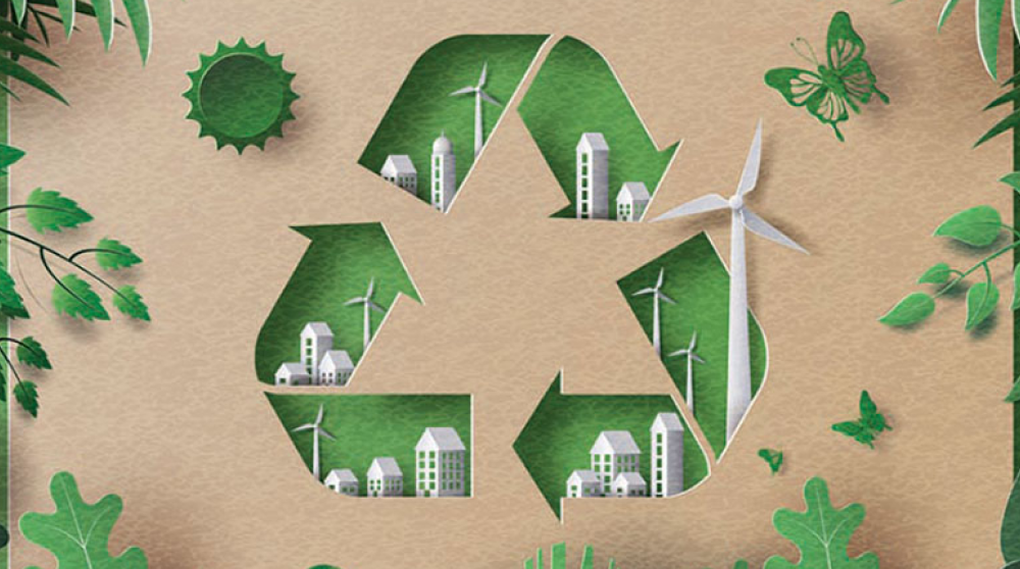
One way to contribute to the well-being of the planet’s environment is to create a zero-waste home. Every year, people are becoming more aware of the importance of minimizing household waste and are beginning to use various methods to reduce its amount.
The main concept here is “Zero Waste” – a philosophy of living without waste, which includes the rejection of disposable items and products, as well as their recycling and reuse. The emphasis is on reducing waste at all stages of the life cycle, from the purchase of products to their disposal. The transition to this lifestyle not only helps to reduce the amount of waste, but also reduces your carbon footprint and reduces pollution.
Step 1: Minimize Packaging
The first and most important step in moving towards a zero-waste home is to eliminate single-use packaging. This can include plastic wrap, cardboard boxes, polyethylene bags, and more. When people buy packaged goods, they often don’t think about how much of it can be recycled and how much ends up in landfill, which is damaging to the environment. But every year, manufacturers are starting to pay more attention to packaging recycling and the use of biodegradable materials.
An easy way to reduce packaging is to buy products without packaging or with minimal packaging. In large cities, there are already stores where you can buy products without packaging: from flour and cereals to soap and shampoo. In such stores, customers can use reusable containers for grocery shopping and bring their own bags and packages to avoid using plastic bags.
If such stores are not available, you can use reusable containers, cans, and grocery bags, which will significantly reduce the amount of plastic packaging.
Step 2: Use reusable products
Plastic and disposable items such as dishes, cutlery, cups, and plates are becoming one of the main sources of waste in households. Their use contributes to a large amount of waste that usually ends up in landfills. However, you can easily get rid of this problem by replacing disposable products with reusable ones. Glass and metal containers, bottles, pots, and other household items will last much longer and can be recycled or reused after use.
It is especially important to pay attention to the rejection of single-use plastic bottles and beverage containers. You can use thermoses and reusable water bottles instead. These simple steps will not only help you minimize waste, but also help you reduce your overall plastic consumption.
Advertising