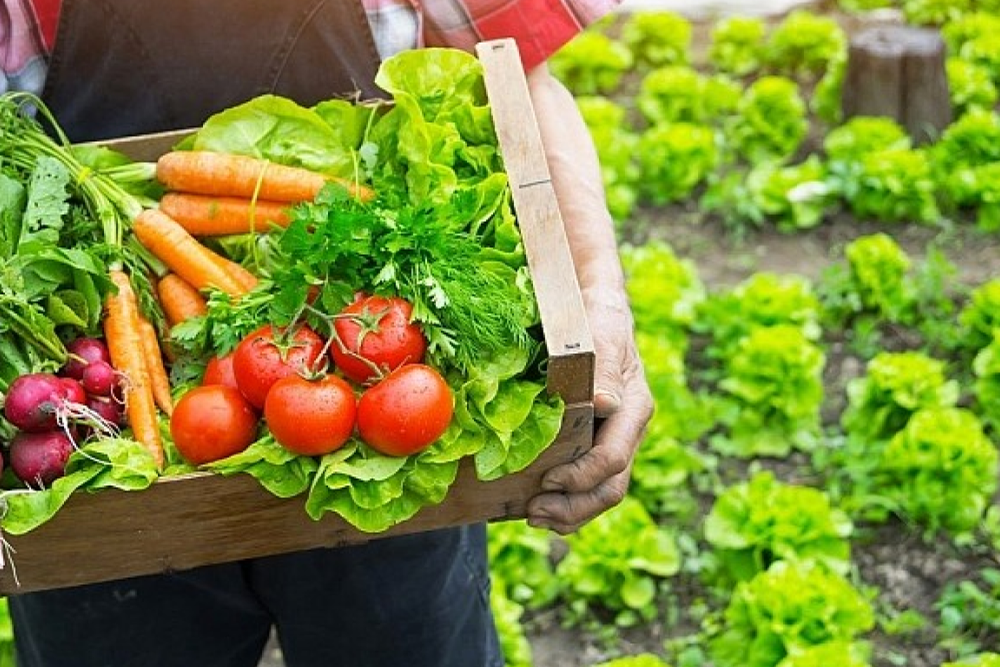
Growing organic vegetables has become accessible even to those who have never done gardening. How to organize such a garden and get a harvest without the use of chemicals? Let’s get to it.
Why choose organic farming?
Organic farming is a way of growing plants without the use of synthetic fertilizers, pesticides and herbicides. Instead, natural materials and environmentally friendly methods are used.
Main advantages:
Safety for health. Organically grown vegetables are free from chemical residues.
Environmental care. The absence of chemicals helps to preserve soil fertility and protect the environment.
Rich taste. Organic vegetables have a richer flavor due to the natural way they are grown.
Basics of Organic Gardening
There are several key factors to consider when creating an organic garden: site selection, soil preparation, crop selection, and care.
1. Site selection.
The best location for an organic garden is one that receives plenty of sunlight, is protected from strong winds, and has fertile soil. If the soil on the site is not fertile enough, it can be improved with organic materials.
2. Soil preparation.
Organic farming starts with soil care. Instead of chemical fertilizers, use:
Compost. This is an ideal way to improve soil structure and provide nutrients to plants. You can make your own compost from kitchen waste and garden waste.
Manure. Rotted manure is an excellent organic fertilizer rich in nitrogen, phosphorus, and potassium.
Green manure. Some plants, such as clover or lupine, can add nitrogen to the soil if planted and dug up.
3. Choosing crops.
Choose disease- and pest-resistant varieties that are adapted to your climate. Organic seeds can be purchased at specialty stores or grown independently.
Advertising