4. Aromatherapy
Aromatherapy is the use of essential oils to improve physical and emotional well-being. Some scents, such as lavender, lemon balm, rosemary, or bergamot, are known for their relaxing and calming properties. Using essential oils through a diffuser or adding a few drops to your bath can significantly reduce stress levels and improve your mood.
Many studies show that aromas can have a positive effect on the nervous system, helping to relieve stress, improve sleep, and even increase concentration. It is important to remember that aromatherapy is a complement to other relaxation methods and does not replace them.
Advertising
5. Writing and journaling
Writing is one of the most effective ways to deal with emotions. When we write about what is bothering us, we not only free our mind from thoughts, but also become aware of our feelings. Keeping a journal will help you organize your thoughts and become aware of what specific factors are causing you stress.
Take a few minutes each day to write down your experiences, worries, and joys. It helps reduce stress levels and also promotes self-awareness and improves emotional intelligence. Over time, you will become more aware of what is causing you stress and will be better equipped to manage it.
6. Music and nature sounds
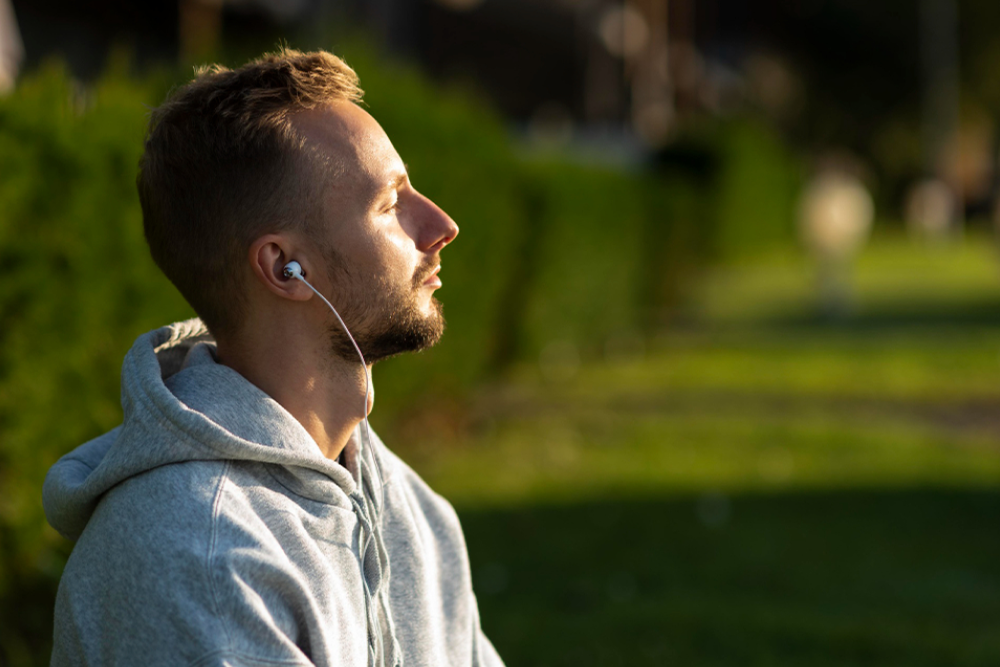
Music is a powerful tool for managing emotions. Calm, relaxing melodies help reduce anxiety and stress. Nature sounds such as rain, rustling leaves, or waves also have a calming effect.
Use music as a means of relaxation. You can turn on calm melodies before bed or during times of stress to create an atmosphere of peace and relaxation. Listening to nature sounds or music can also become part of your meditation or breathing.