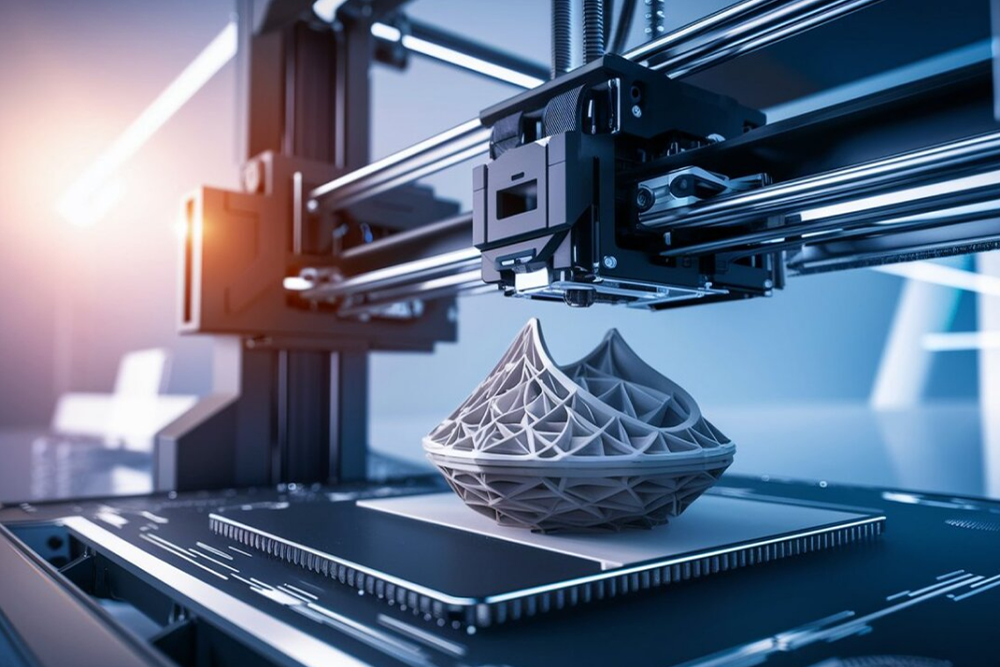
Education and research form another important pillar of 3D technology development. Canadian universities integrate 3D modeling, scanning, and fabrication into engineering, design, and computer science programs. Students gain practical experience working with digital twins, simulation environments, and rapid prototyping tools. This educational foundation supports the growth of a skilled workforce capable of advancing both industrial and software-oriented 3D solutions.
Advertising
The entertainment and creative industries represent a distinct but influential area of adoption. Canada’s film, gaming, and animation sectors rely heavily on 3D modeling, rendering, and virtual production techniques. These technologies enable realistic visual effects, immersive environments, and efficient content pipelines. The convergence of 3D graphics with virtual and augmented reality further expands creative possibilities and commercial applications.
From an economic perspective, 3D technologies align with Canada’s sustainability and innovation goals. Additive manufacturing reduces waste, localized production decreases transportation emissions, and digital prototyping minimizes resource-intensive trial processes. As a result, 3D technologies support more resilient and environmentally conscious production models.
In summary, 3D technologies in Canada are not limited to a single industry but function as a cross-sector enabler of efficiency, customization, and innovation. Their continued development is driven by practical industrial needs, strong research infrastructure, and a long-term focus on sustainable technological growth.