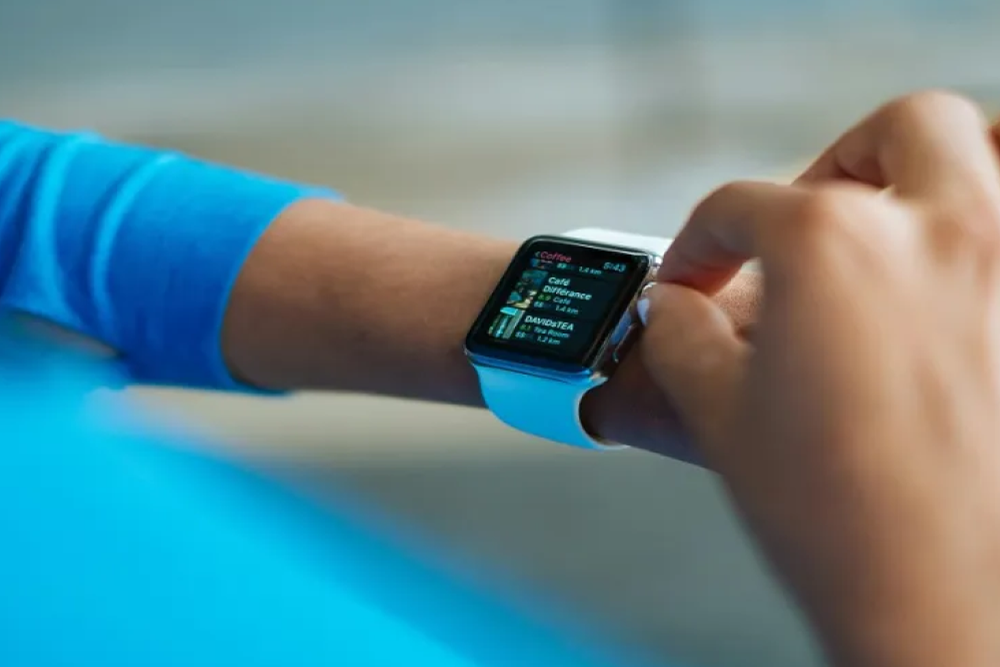
Battery technology remains a limiting factor, but incremental improvements have been achieved through more efficient processors, low-power display technologies, and optimized software scheduling. While most smartwatches still require frequent charging, the balance between functionality and energy consumption has improved. This is especially important in Canada’s colder climate, where battery performance can degrade, influencing hardware design and thermal management considerations.
Advertising
Another major development is the increasing independence of smartwatches. LTE and now emerging 5G support allow devices to function without constant smartphone pairing. This has practical implications for outdoor activities common in Canada, such as running, cycling, and hiking, where carrying a phone is not always desirable. Standalone connectivity also supports emergency features, including fall detection and automatic emergency calls, which are particularly relevant for aging populations.
Privacy and data protection play a central role in the Canadian context. Smartwatches collect sensitive biometric data, raising concerns about storage, consent, and data sharing. Canadian regulations and public expectations place strong emphasis on transparency and user control. As a result, manufacturers operating in Canada increasingly highlight on-device processing, encrypted data storage, and compliance with national privacy standards.
Looking forward, smartwatch development is moving toward more advanced health diagnostics, including non-invasive glucose monitoring, blood pressure estimation, and mental health indicators derived from physiological signals. Integration with Canada’s digital health infrastructure, while complex, represents a potential long-term direction. At the same time, challenges remain: regulatory approval, medical-grade accuracy, and user trust.
In conclusion, the development of smartwatch technologies in Canada reflects global innovation trends while responding to local healthcare needs, environmental conditions, and regulatory expectations. Smartwatches are no longer peripheral gadgets; they are evolving into multifunctional devices that intersect technology, health, and daily life. Their continued development will depend not only on hardware advances, but on responsible data use, clinical relevance, and meaningful integration into Canadian society.