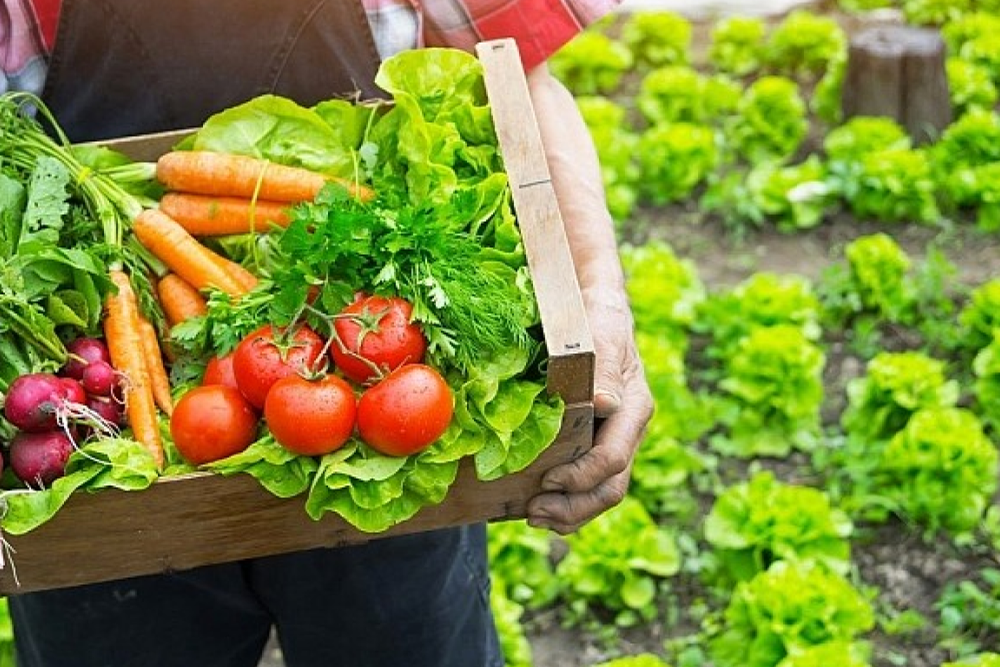
Chemical-free ways to protect plants
An organic garden requires a special approach to protecting plants from diseases and pests. Instead of chemicals, you can use:
Mulching. Covering the soil with a layer of organic material (straw, sawdust, grass clippings) helps prevent weed growth and retain moisture.
Natural insecticides. Tinctures of garlic, onions or peppers repel many pests.
Attracting beneficial insects. Insects such as ladybugs and lacewings help control pest populations. To attract them, plant flowers near your garden.
Crop rotation. Sowing different crops in the same area in different years helps prevent the accumulation of pests and diseases.
How to care for an organic garden?
An organic garden requires attention and regular maintenance:
Watering. Use rainwater or water that has been left to stand to remove chlorine. Water the plants in the morning or evening to minimize evaporation.
Top dressing. Feed your plants with organic fertilizers, such as compost infusion, wood ash or grass slurry.
Weeding. Weeds need to be removed manually so as not to damage the root system of the plants.
Example of an organic garden on a small plot
Let’s say you have a plot measuring 3×5 meters. In such an area, you can place several beds with different crops.
Carrots and radishes. These crops grow well next to each other and require the same care.
Tomatoes and basil. Basil repels pests, so it is useful to plant it next to tomatoes.
Zucchini and beans. Zucchini provides dense shade, and beans enrich the soil with nitrogen.
You can plant marigolds between the beds – these flowers repel many pests.
Mistakes to avoid
Organic farming requires patience and knowledge. Beginners often make mistakes that reduce yield. Here are the main ones:
Ignoring soil properties. Before planting, it is important to check the acidity and structure of the soil.
Insufficient watering. Plants, especially in hot weather, require regular watering.
Improper selection of crops. Some plants do not grow well in certain climatic conditions.
Conclusion
An organic garden is not only an opportunity to enjoy tasty and healthy vegetables, but also a contribution to family health and nature conservation. Creating such a garden takes time and effort, but the results are worth it. You will be able to reduce the use of chemicals, improve the quality of the products and get the satisfaction of growing your own food.
Start small: A few beds of basic crops will help you learn the basics of organic farming and experience the joy of tilling the soil. And remember, your garden is a living ecosystem that will respond gratefully.
Advertising