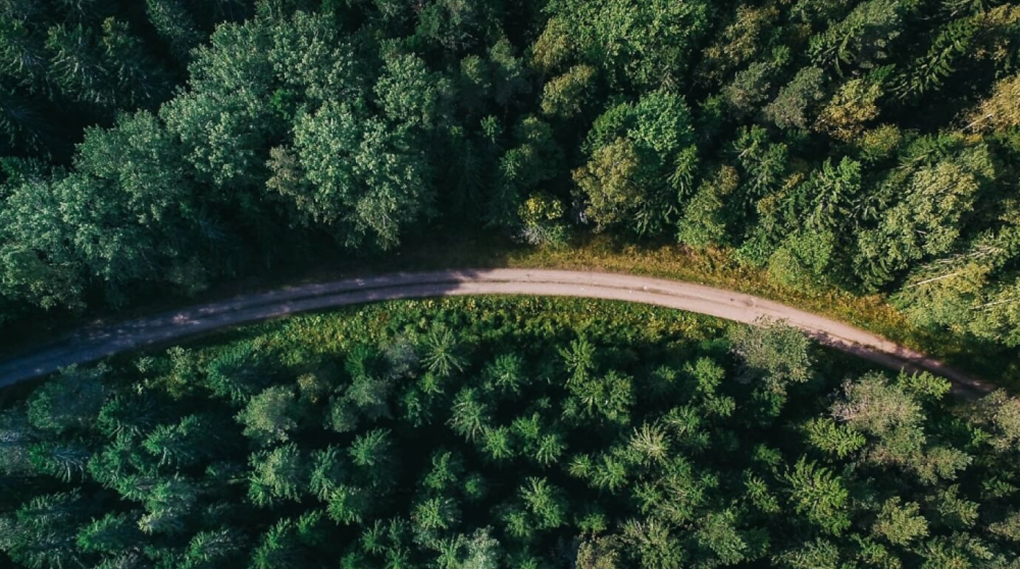
Over the past few decades, humanity has realized that the destruction of forests has serious environmental and climate consequences that can have catastrophic consequences for all life on Earth. It is important to understand why forests are so important for the climate and what could happen if we do not pay due attention to the protection of these ecosystems.
Forests play a key role in regulating the planet’s carbon balance. One of the key functions of trees is to absorb carbon dioxide from the atmosphere. During photosynthesis, plants use carbon dioxide (CO₂) and sunlight to create organic matter and release oxygen. This process helps reduce the amount of carbon dioxide in the atmosphere, which in turn helps reduce the greenhouse effect, which is one of the main causes of global warming. According to scientific research, forests absorb about 30% of the carbon dioxide released into the atmosphere as a result of human activity. This means that protecting and restoring forests has a direct impact on the fight against climate change. In addition, forests contribute to increased air humidity, which helps regulate climatic conditions in regions.
Advertising
Trees absorb water from the soil and then evaporate it through their leaves through the processes of transpiration and evaporation. This promotes the formation of clouds and precipitation, thereby improving climatic conditions in the region. Forests also prevent sandstorms and dehydration by retaining moisture in the soil and maintaining a stable microclimate. In places where forests are cut down or degraded, this process is disrupted, leading to increased drought, reduced agricultural yields and worsening human living conditions.