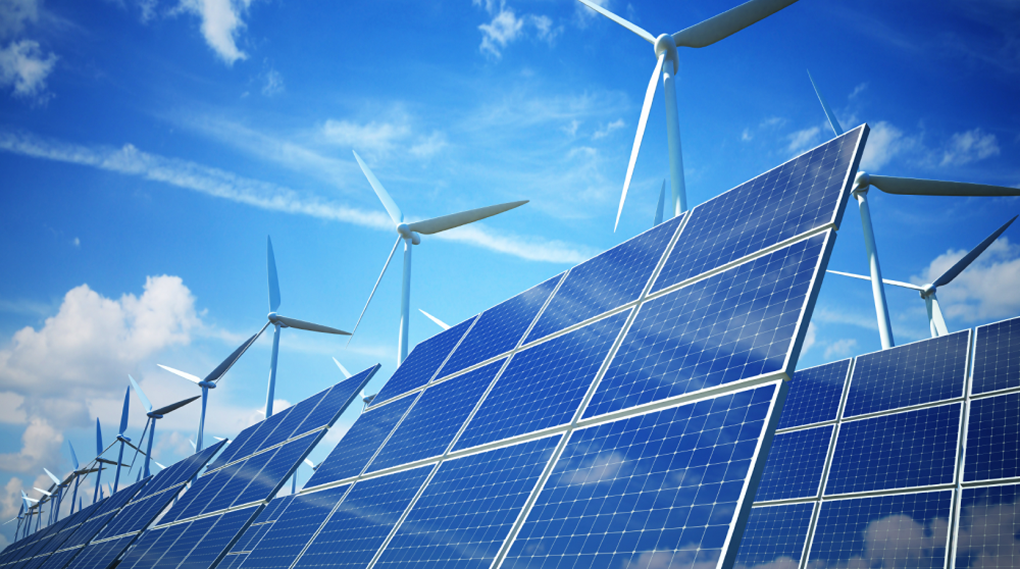
In the context of global environmental problems and the depletion of traditional resources such as oil and coal, the development and use of alternative energy sources is becoming a priority for many countries and scientific institutions. These sources can significantly reduce dependence on fossil fuels, and also reduce harmful emissions into the atmosphere that contribute to climate change.
Advertising
One of the most popular and affordable alternative energy sources is solar energy. Solar panels, which can be installed on roofs or in large solar farms, are already actively used around the world. Solar energy is practically waste-free and clean, since the process of energy production occurs without carbon dioxide emissions. Solar panels use the energy from the sun’s rays to generate electricity, making them a reliable source of renewable energy. However, one of the main limitations of solar panels is their dependence on weather conditions. The efficiency of solar panels decreases on cloudy and rainy days and at night. Wind energy is another common and promising energy source that is actively used in different parts of the world. Wind energy works by converting the kinetic energy of the wind into electrical energy using wind turbines. This energy source is becoming increasingly common, especially in regions with constantly strong winds. Wind turbines can be installed on land as well as in coastal areas where the wind is most stable and strong. However, wind, like the sun, is not a constant source of energy, which limits its use in regions where windless days are common. Nevertheless, the use of wind energy is constantly increasing due to its cleanliness and cost-effectiveness. Hydrogen energy is also considered an important source of the future. Hydrogen is the lightest element in the universe and its use as a fuel is environmentally friendly, as only water is released when hydrogen burns. Hydrogen fuel cell technology converts hydrogen into electricity, a process that could become an important part of the fight against global climate change.
Hydrogen can be used not only in the energy sector, but also in the transport sector, where hydrogen cars are an environmentally friendly alternative to traditional gasoline and diesel cars. However, the main obstacle to the widespread adoption of hydrogen energy is the high cost of the technology and the need to create an infrastructure for the production and storage of hydrogen. Geothermal energy is another way of obtaining energy from natural sources. Geothermal power plants use heat stored deep in the Earth to generate electricity. This can be either heat released from magmatic and volcanic areas, or heat located at a shallower depth. Geothermal energy is a stable and efficient source, because the temperature inside the Earth does not depend on weather conditions or the season.