3. Public transport and electrification
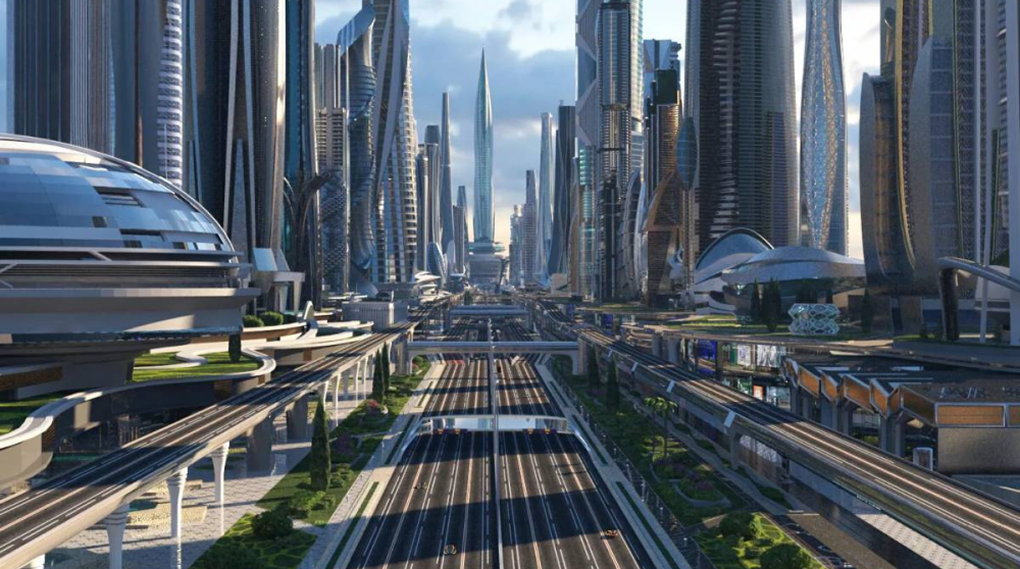
Reducing air pollution in megacities is impossible without the development and implementation of environmentally friendly public transport. Cities around the world are massively investing in public transport using electric and hybrid vehicles. Trams, electric buses, metro and trolleybuses are becoming the basis of the transport infrastructure of megacities, which helps reduce the level of carbon dioxide emissions and other pollutants.
Megacities are also beginning to actively develop networks of bicycle and pedestrian paths, encouraging city residents to use environmentally friendly modes of transport. This not only contributes to improving the environmental situation, but also contributes to improving the health of residents by reducing the burden on traditional roads.
4. Smart cities and digitalization
Smart cities are a concept in which the use of modern technologies helps to improve the quality of life, simplify city management and allocate resources efficiently. Systems that collect data on energy consumption, water consumption, traffic, ecosystem status and other aspects are widely implemented in such cities. Based on this data, you can make quick decisions aimed at improving your life.
The digitalization of city services, such as public transport, waste management, street lighting and air monitoring systems, helps to significantly improve their efficiency and increase their sustainability. Smart technologies can help cities reduce energy consumption, reduce waste, provide quick access to quality health and education services and prevent emergencies.
5. Green infrastructure and ecosystem services
Green infrastructure is the planning of urban spaces with maximum consideration for the needs of the environment. In the megacities of the future, not only buildings and roads will play a key role, but also a large number of green spaces, parks, squares and gardens, which will help not only to improve the microclimate, but also to preserve biodiversity.
Green spaces in the city help to clean the air, absorb carbon dioxide, reduce the effect of the “urban heat island” (when the temperature in the city is significantly higher than in rural areas), and also provide residents with access to recreation and improve psychological well-being. well-being. In large cities, the concepts of vertical gardens, green roofs and facades of buildings, as well as the creation of eco-parks with artificial reservoirs are actively developing.
Advertising