Step 3: Energy Saving and Recycling
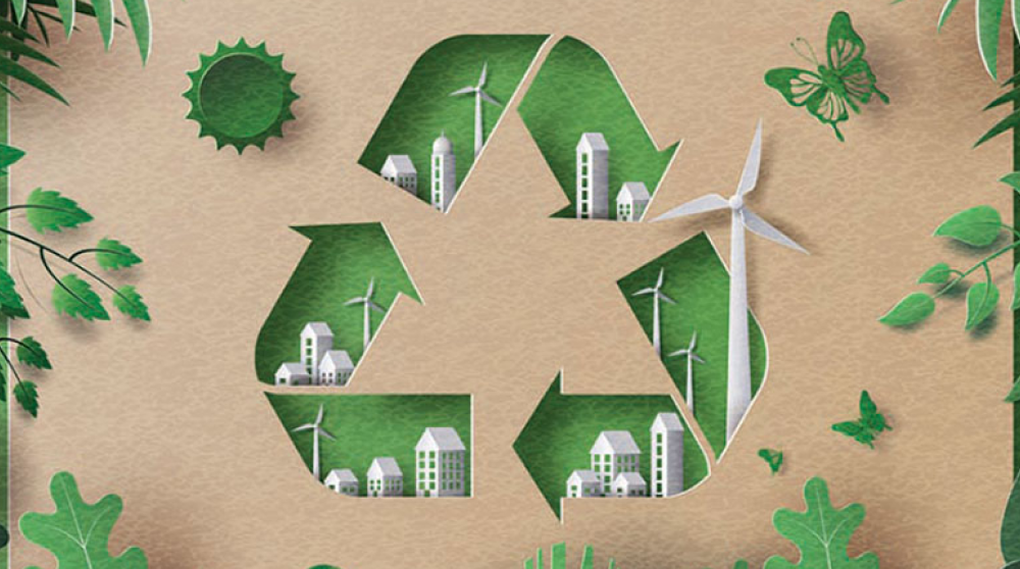
Reducing household waste is not possible without a properly organized recycling system. In most modern households, waste is divided into several categories: recycling (plastic, glass, paper) and general waste. However, in zero-waste households, this system can be expanded, starting with the use of biodegradable materials, such as organic waste. For example, you can create compost for your garden or use organic waste to make fertilizer.
Energy saving also plays a key role in reducing waste. In a zero-waste home, it is important to control energy and water consumption. Energy-efficient appliances, smart control systems and water removal technologies can significantly reduce the impact on the environment.
Another important step towards zero waste is to purchase electronics and appliances with high energy efficiency and dispose of them properly at the end of their life. Reusing old electronics and clothes instead of throwing them away or exchanging them for new ones is another way to reduce overall waste.
Step 4: Create a mini garden or use organic waste
Modern zero waste concepts cannot do without practices aimed at using organic waste. One such method is creating a mini garden, which will help you not only minimize waste, but also create a green area in your home.
Biodegradable waste, such as fruit peels, vegetable scraps and other organic materials, can be composted and used as plant fertilizer. This will help reduce the amount of waste and improve the quality of the soil for further cultivation of healthy and ecological products. You can also grow plants in pots on the balcony or even in the apartment, saving money on buying vegetables and greens and reducing plastic waste generated when packaging food.
Step 5: Responsible consumption and conscious food choice
One of the most important
One of the principles of a waste-free life is conscious consumption. Before buying any product, it is worth asking yourself a few important questions: do you really need it? How long will it last? What materials were used to make it? And what happens to this product after its life?
When buying food b You should choose products with minimal packaging and those that can be easily recycled. Many food and beauty companies are increasingly using eco-friendly packaging and providing recycling options. This also helps reduce waste and improve the environmental situation.
Examples of responsible consumption include decisions such as using locally produced products, buying items in larger packages, purchasing recycled goods, and avoiding items that quickly go out of style or are of poor quality.
Conclusion
Minimizing waste and moving towards a zero-waste lifestyle requires a comprehensive approach. It is not only about choosing environmentally friendly materials, but also about conscious consumption, proper use of resources, and attention to recycling. It is important to remember that even small steps can make a significant difference to the ecosystem of your home and the planet as a whole. Zero waste living is not just a trend, but a philosophy that helps make the world a cleaner place and life more comfortable and sustainable for everyone.
Advertising