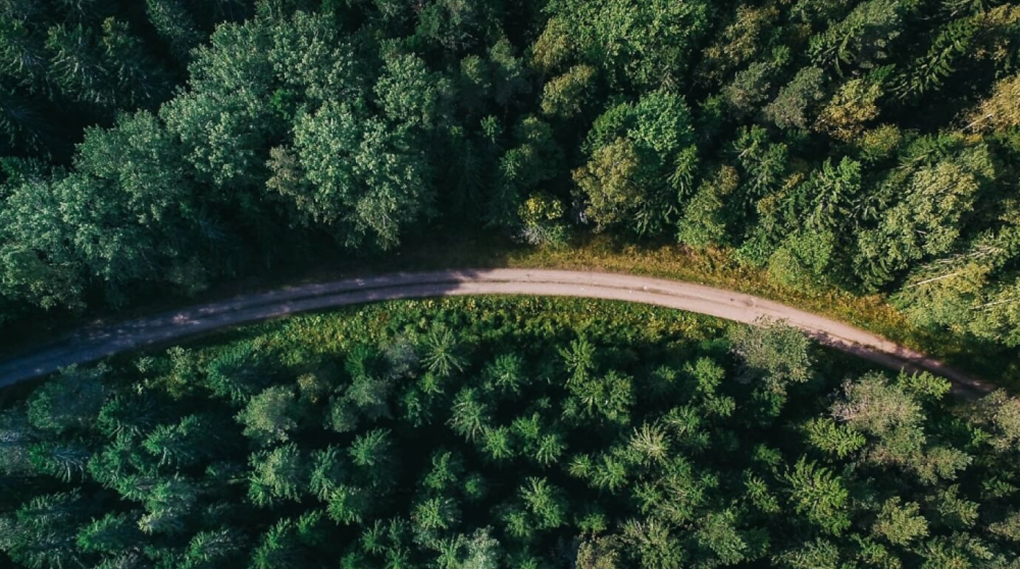
Forests play a vital role in maintaining the planet’s biodiversity. Forest ecosystems are home to millions of species of animals, plants, insects and microorganisms. Every tree in a forest, regardless of its size or age, is an important part of this complex web of life. Forests provide food and shelter for many species of animals and are places where metabolism and energy exchange take place. Deforestation, especially in tropical and subtropical zones, leads to the destruction of unique ecosystems, which in turn can lead to the extinction of many species of flora and fauna. The loss of biodiversity not only threatens individual species, but also disrupts the ecological processes that maintain the stability of all life on Earth.
Another important function of forests is to protect the soil from erosion. Tree roots strengthen the soil, preventing its erosion and loss of nutrients. In regions where forests are cut down or degraded, soil becomes more vulnerable to erosion, leading to soil loss, reduced agricultural yields and water pollution. This is especially true in tropical forests, where heavy rains and high temperatures can cause devastating floods and landslides. Forests not only protect the soil but also water sources, preventing pollution of rivers and lakes, and retaining and filtering water. Forests also play an important role in regulating the planet’s temperature. Forests store and release heat, which helps maintain a temperature balance. When trees absorb solar energy, they help cool the environment. In large forest areas, temperatures can be several degrees cooler than in the surrounding open areas. Forests can also mitigate the impact of extreme temperatures, reducing the risk of heat waves and cold winters. When forests are cut down and vegetation is lost, this natural mechanism is disrupted, and the climate in regions becomes more extreme and unpredictable.
Advertising
It is important to note that forests are not only the tropical rainforests of the Amazon, but also other types of forests that play a significant role in global climate stability. The taiga, which covers large areas of northern Europe, Russia and North America, is also an important part of the global carbon cycle. Temperate forests absorb carbon dioxide and release oxygen, helping to reduce greenhouse gas concentrations in the atmosphere. Protecting these forests is crucial in the fight against global climate change.
So we see that forests are of great importance for the stability of the Earth’s climate. They help regulate the carbon balance, increase humidity, maintain biodiversity and protect the soil. The destruction of forest ecosystems has serious environmental consequences, including increased carbon dioxide emissions, increased drought periods, deterioration of water quality, and the decline of many animal and plant species.