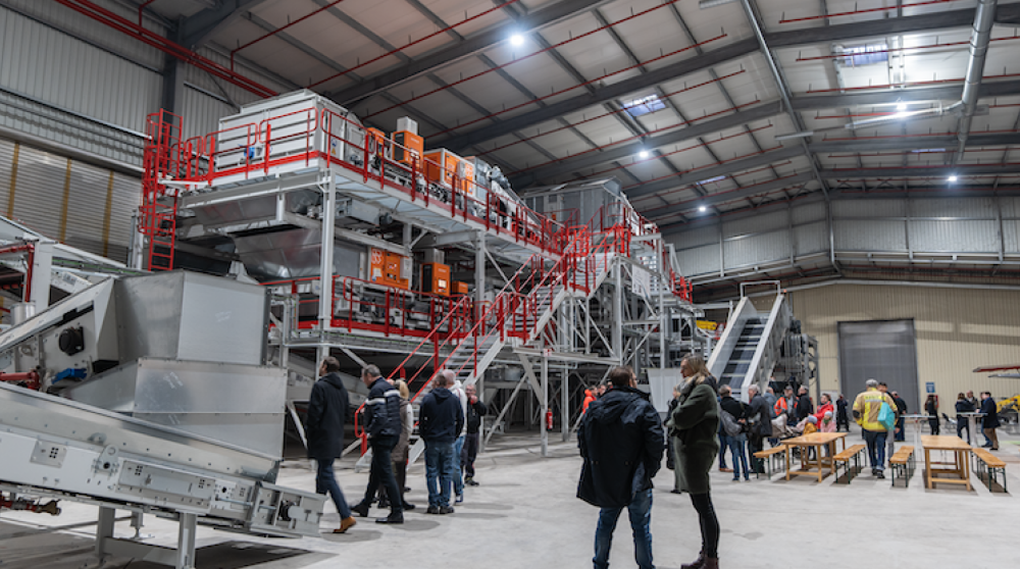
Technologies aimed at recycling plastic waste also include innovative approaches to its sorting and processing. Modern waste sorting methods, such as the use of robots with artificial intelligence, can significantly increase the efficiency of plastic recycling. Robots equipped with cameras and sensors can accurately identify types of plastic and sort them at high speed. This reduces the amount of waste sent to landfills and allows for more efficient plastic recycling. In addition, such technologies can speed up the recycling process and reduce its costs, making recycling more accessible to both large and small businesses.
Advertising
Another promising technology is the creation of plastic materials that can be recycled at minimal cost. In recent years, there has been increasing development aimed at creating “smart” plastics that can be recycled without loss of quality and even reused in their original form. For example, scientists are developing plastic materials that can be easily broken down into components for recycling, which will greatly simplify the recycling process. Such materials could therefore become the basis for a future where plastic recycling will be more efficient and less expensive.
Another important innovation is environmentally friendly alternatives to plastic materials. For example, bioplastics are being developed that are derived from plant materials such as starch or polymers produced by microorganisms. These materials have properties similar to traditional plastics, but can decompose in nature without harming the ecosystem. Bioplastics are becoming increasingly popular in packaging, disposable and other products, but their mass production requires significant efforts in agriculture and biotechnology. Nevertheless, bioplastics have great potential to replace traditional plastics and reduce dependence on fossil resources.
In addition, increasing attention is being paid to creating closed plastic recycling cycles within industry and society as a whole. Some countries are already developing systems to increase the recycling rate of plastic waste, create a system for exchanging secondary materials and minimize the use of single-use plastics. Modern technologies and approaches, such as the use of recyclable plastic materials, can significantly reduce the need for new plastics and reduce the burden on the ecosystem. It also supports the development of a circular economy, where waste becomes a valuable resource for production in new goods.
The plastic revolution is therefore not just an imperative for waste recycling, but an entire industry that is changing the way we use resources and strive for a more sustainable future. The development of new technologies for recycling plastic waste, the creation of bioplastics and innovative recycling methods offer the prospect of reducing the impact of plastic pollution on the planet. However, achieving real change requires efforts by governments, businesses and civil society to implement environmentally friendly technologies and practices.